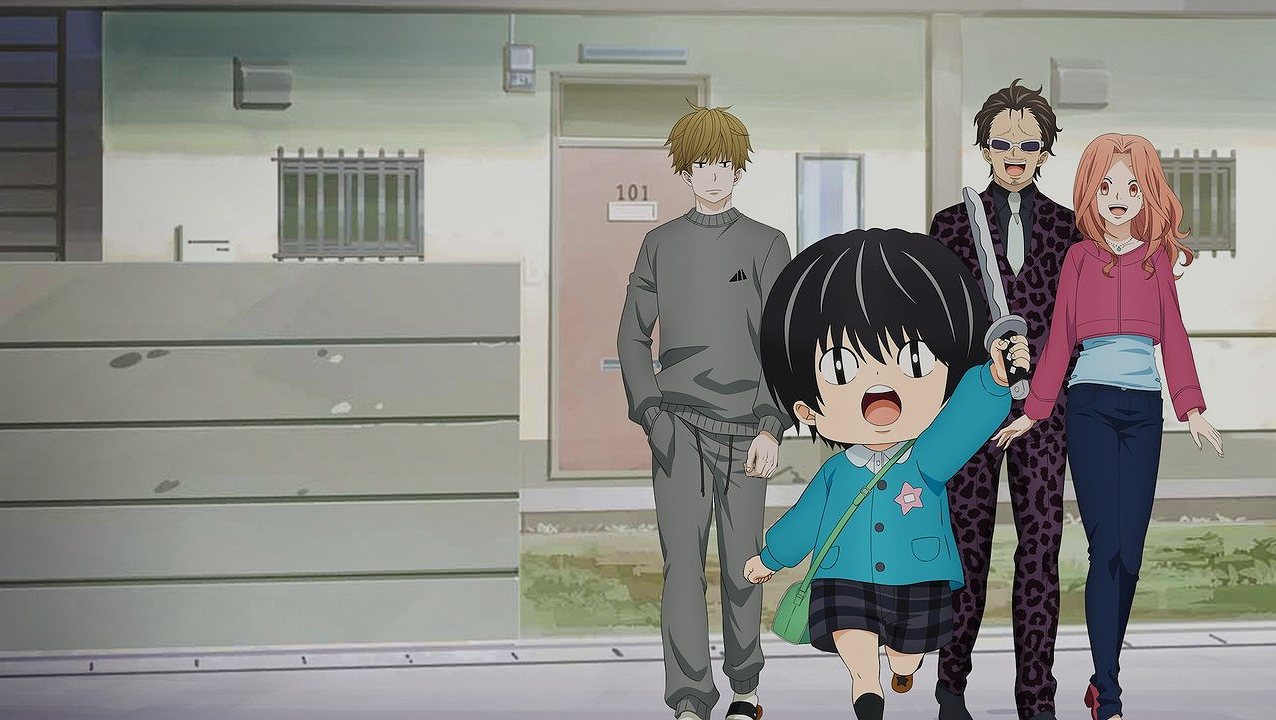
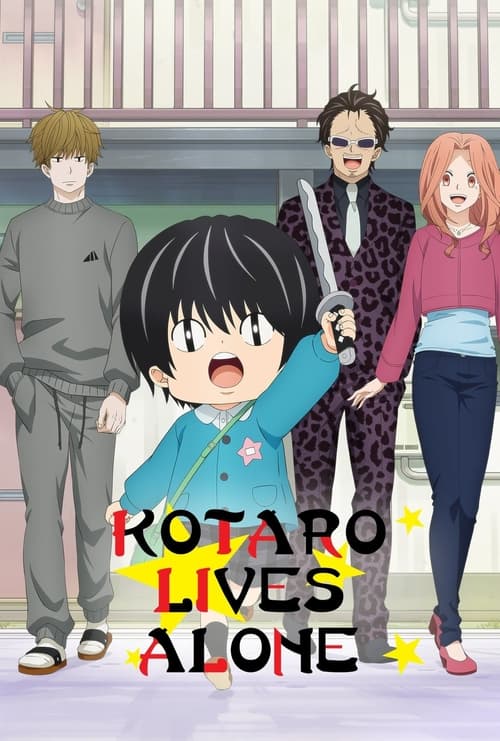
In a world full of heavy dramas and explosive action series, sometimes we need something light yet profound. Kotaro Lives Alone is the answer to that need. A Japanese anime that on the surface seems like a comedy about a mischievous little boy, but actually hides painful life issues and powerful lessons seamlessly.
Plot Summary (No Spoilers)
The story begins when Kotaro Sato, a 4-year-old boy, moves into a cheap apartment complex all by himself. He is a child beyond his years, knowing how to pay rent, buy groceries, and manage daily life astonishingly. His life changes when he meets Shin Karino, an amateur manga artist living next door. Although Shin initially tries to help Kotaro, it turns out that Kotaro is the one who teaches Shin and other adults in the apartment the meaning of family, friendship, and growth.
Performance and Characters
Though it's an anime with voice acting, the voice performances are excellent, bringing the characters to life. Rie Kugimiya, who voices Kotaro, perfectly conveys the emotions of a mischievous, innocent, yet sad little boy. Meanwhile, Toshiki Masuda as Shin does a great job representing an immature adult. The laughter and tears of every character are delivered through powerful voice acting, making it easy for viewers to connect with the story.
Each character has clear depth and development, from Shin gradually learning responsibility to other neighbors who have their own issues. The interactions between Kotaro and them are the heart of this series.
Direction, Visuals, and Music
Studio LIDENFILMS, responsible for the visuals, has done a beautiful and warm job. The colors are bright but not flashy, using pastel tones that give a soft feel, fitting the story's atmosphere. The cute character designs and smooth animation enhance the emotion of each scene.
The music composed by Yuki Hayashi is another highlight not to be missed. The soundtrack, both cheerful and melancholic, drives the audience's emotions seamlessly, especially the catchy opening and heartwarming ending songs.
Editorial Analysis
What makes Kotaro Lives Alone different from other family-oriented anime is its storytelling that hides pain beneath smiles. Kotaro is not a normal child; he had to grow up fast due to circumstances. But the series doesn't present his story depressingly; instead, it intersperses humor and warmth throughout.
The editorial team sees this series as reflecting Japanese social issues such as child abandonment, elderly loneliness, and career pressure through the innocent perspective of a little boy, yet painfully highlighting harsh truths.
Another interesting point is the building of relationships between characters who are not blood-related but become a surrogate family, a contemporary concept that gives food for thought to viewers.
Verdict
In conclusion, Kotaro Lives Alone is an anime worth watching for anyone seeking a heartwarming story with deep insights. Little Kotaro will make you smile and cry at the same time. If you like slice-of-life anime with depth, this one is not to be missed.
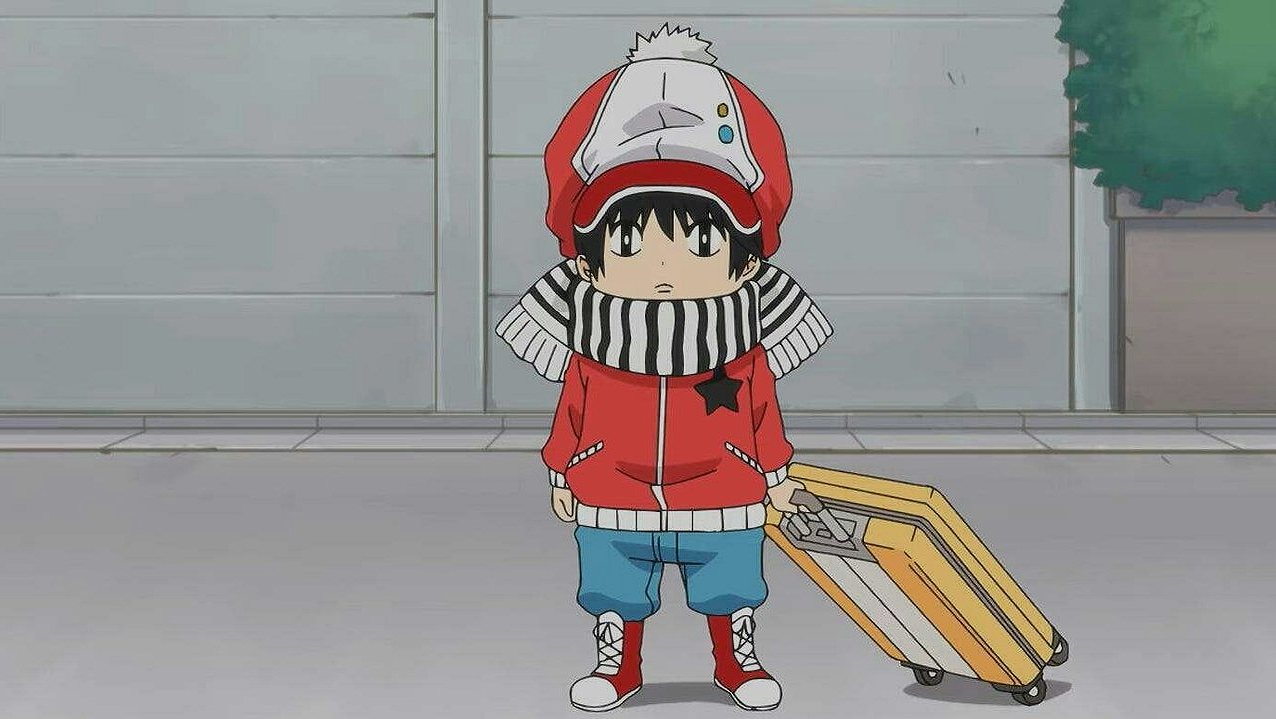
Screenshots


👍 Pros
- +Cute and multi-dimensional characters, excellent voice acting
- +Content hides depth and life lessons within humor
- +Beautiful visuals, music matches the mood
- +Concise storytelling, not dragged out, 10 episodes just right
👎 Cons
- −Some episodes may feel repetitive in narrative style
- −Some scenes may seem unrealistic for a 4-year-old
Top Cast




FAQ
The series has 10 episodes, each about 24 minutes long.
Although the main character is a child, the content deals with heavy themes of abandonment and sadness. It is more suitable for adults and teenagers than young children.
Currently, there is no official announcement about a second season, but fans hope for one due to its popularity.
Yes, the series is adapted from the manga of the same name by Sota Kitamura, first published in 2015.