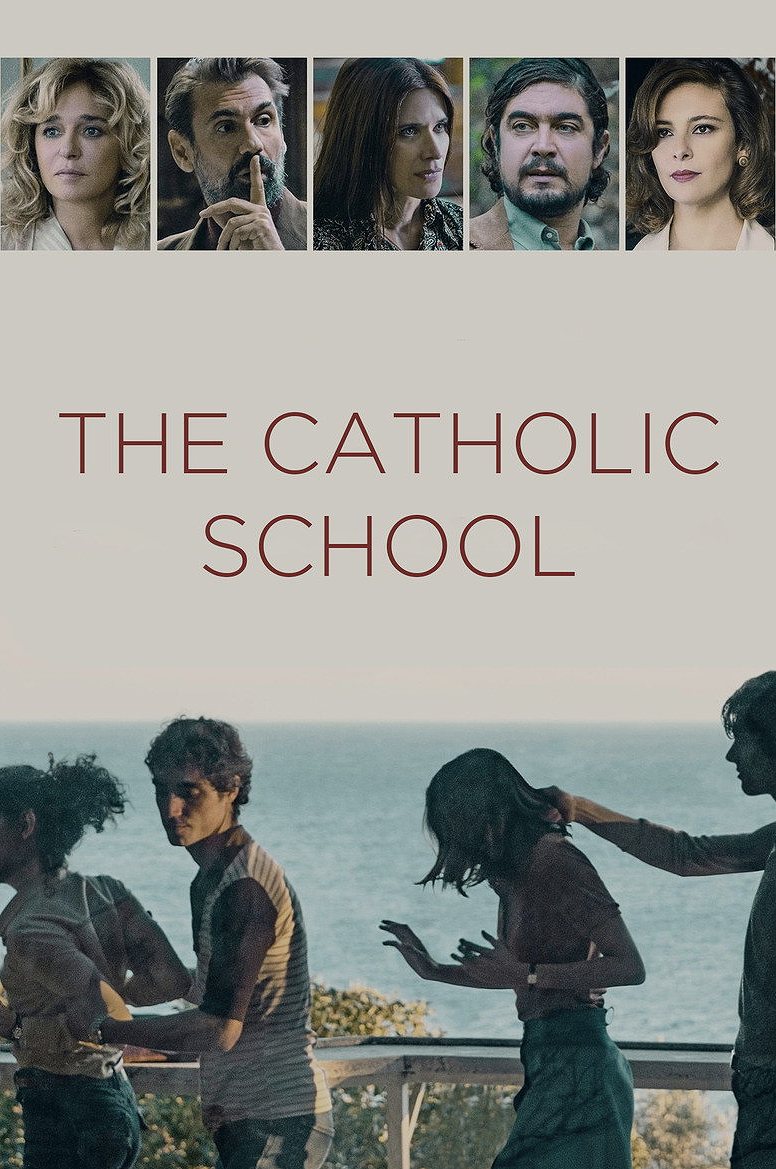
When religious strictness combined with the oppressive atmosphere of an all-boys school becomes the catalyst for a crime that shook Italy. The Catholic School (La scuola cattolica), a 2021 film that takes a real murder case from 1975 and tells it through the perspectives of victims and perpetrators, questioning the roots of violence shaped by society and institutions.
Plot Summary (No Spoilers)
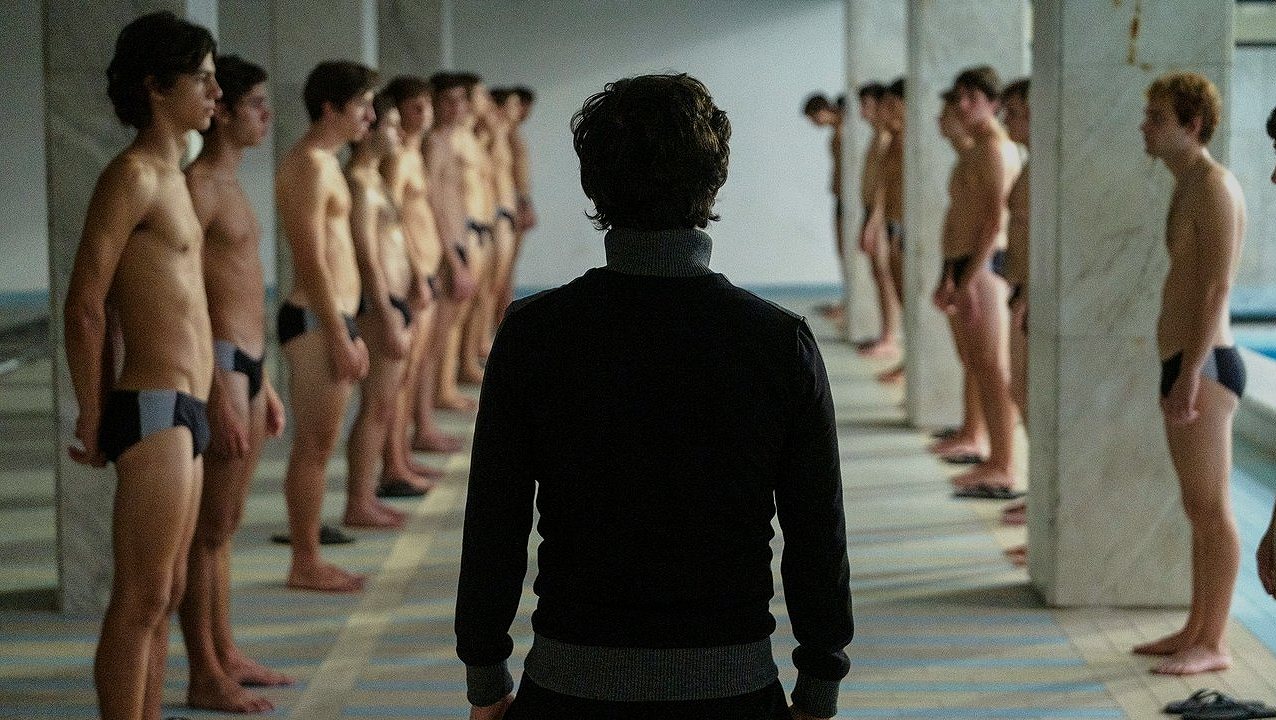
The story takes place in a famous Catholic school in Rome during the 1970s. A group of teenage boys live under strict rules, including religious training and rigid gender roles. The accumulated pressure leads some to seek violent outlets. The turning point occurs when two girls from working-class families are lured by a group of male students to a secluded location, leading to unforgivable events. The film alternates between the time before the incident and the investigation, focusing on the psychological development of the characters that leads to tragedy.
Acting and Characters
Benedetta Porcaroli as Donatella, one of the young victims, impressively portrays fragility and the struggle to survive. Meanwhile, Giulio Pranno as Andrea, the cold and complex young murderer, creates discomfort every time he appears. Supporting actor Emanuele Maria Di Stefano as Edoardo also conveys inner conflict well. However, the other female student, Rosalba (played by Lidia Vitale), has too little screen time, making her character less clear than it should be.
Direction, Cinematography, and Music
Director Stefano Mordini uses muted colors and uncomfortable camera angles to reflect the oppressive school atmosphere, especially in church and classroom scenes that feel like cages. The non-linear editing at the beginning may confuse viewers, but as the story progresses, the director's intention to emphasize the impact of events on characters becomes clear. Music by Andrea Farri uses tense string instruments and classical music that contrasts with the brutality, effectively creating unease.
Editorial Analysis
The most interesting aspect of this film is its questioning of the roots of violence, which stem not only from individuals but from an oppressive and repressive social system. Through the male students shaped by patriarchal values, superficial religiosity, and lack of emotional outlets, the film shows that sexual violence and crime are not just personal matters but a reflection of a society that fails to protect the weak. However, the film may focus too much on the perpetrators' perspective, making the victims mere plot devices, which could be ethically debatable for some viewers.
Verdict
A film suitable for fans of historical drama and psychological crime investigation. If you enjoy films that make you think about social structures and are not afraid of discomfort, The Catholic School is one of the notable Italian films. But it may not be for those expecting intense entertainment throughout.
Screenshots


👍 Pros
- +Performances by lead actors, especially Benedetta Porcaroli and Giulio Pranno
- +Oppressive atmosphere and cinematography that effectively convey discomfort
- +Social questioning about the roots of violence
👎 Cons
- −Non-linear storytelling may confuse at the beginning
- −Another victim character has too little screen time
- −Some parts are slow and drawn out
Top Cast



FAQ
Yes, the film is adapted from the mass murder case known as the 'Circeo massacre', which occurred in 1975 in Rome, Italy.
The film does not focus on horror like ghosts or jump scares, but creates psychological discomfort and pressure. There are some violent scenes, but not overly graphic.
107 minutes, or about 1 hour and 47 minutes.
In Thailand, it is available on Netflix (with Thai dubbing and subtitles) or other licensed streaming platforms.